
Explore Gujarat’s Hidden Paradise: Complete Travel Guide to Tapi, Dang & Saputara Hill Station
From serene waterfalls and tribal culture to Gujarat’s only hill station Saputara — a complete 5000-word travel feature with routes, hotels, food, and must-visit attractions
Gujarat |TAPI,DANG, SAPUTARA HILL
When people think of Gujarat, they often imagine white deserts, grand temples, and vibrant city life. But hidden in the southern region of the state lies a refreshing escape filled with lush forests, tribal heritage, scenic waterfalls, and cool hill landscapes. The districts of Tapi and Dang, along with the picturesque hill station of Saputara, offer a completely different side of Gujarat — peaceful, green, and naturally stunning.
This in-depth travel guide explores the top tourist places in Tapi and Dang districts, including detailed travel routes, accommodation options, dinner spots, and complete planning advice for families, couples, and adventure travelers.
Overview of the Region
Southern Gujarat is blessed with:
- Dense forests
- Rolling hills
- Tribal heritage villages
- Scenic dams and lakes
- Waterfalls during monsoon
- Cool climate in Saputara
The Dang district is known for its high forest cover, while Tapi offers riverside beauty and peaceful landscapes.
The crown jewel of this region is undoubtedly — Gujarat’s only official hill station.
About Tapi District
Tapi district, formed in 2007, is named after the Tapi River. It is known for its rural charm, agriculture, and peaceful natural surroundings. Though less commercialized, it offers hidden travel gems.
Top Tourist Places in Tapi
1. Ukai Dam
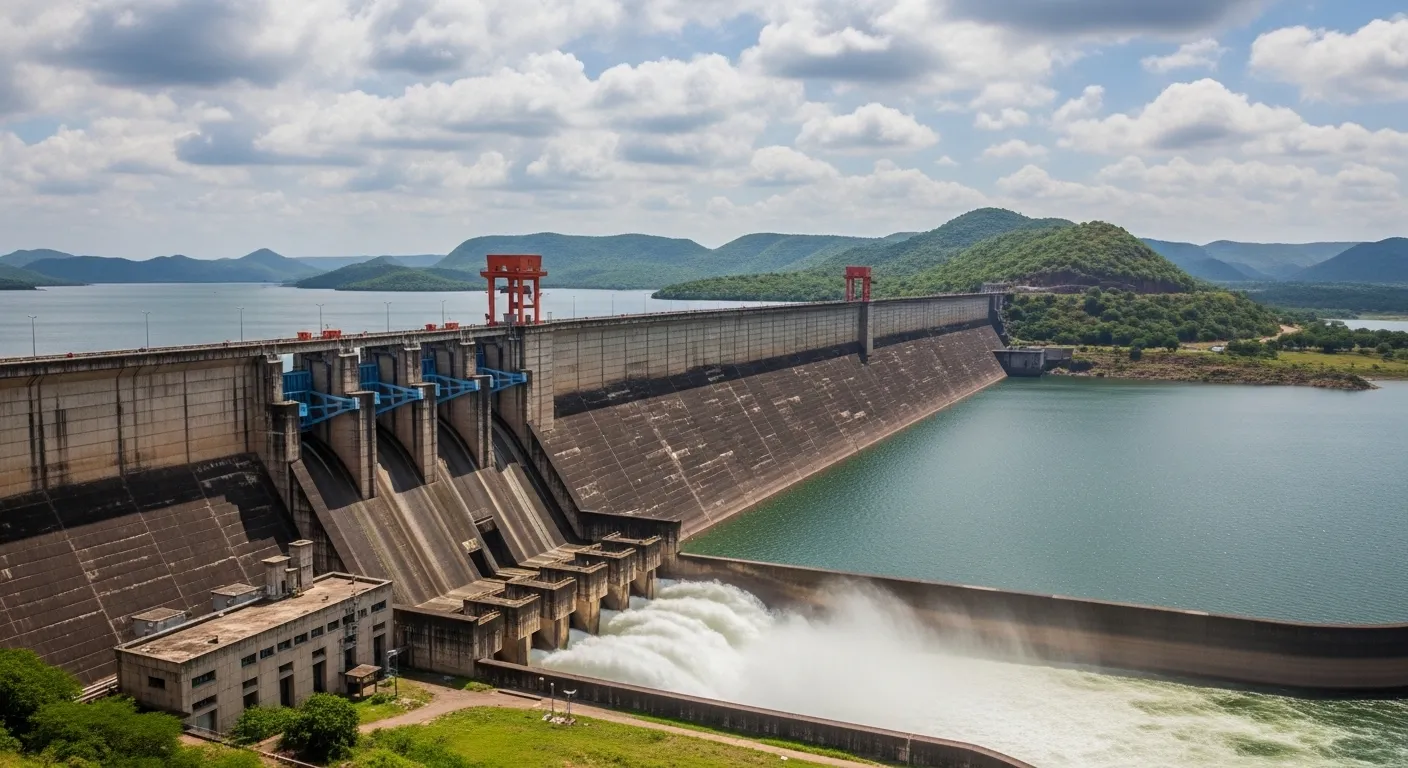
Ukai Dam is one of Gujarat’s largest reservoirs built on the Tapi River. The vast water body creates a scenic view, especially during sunset.
Best Time to Visit: Monsoon & Winter
Activities: Photography, peaceful walks, birdwatching
2. Girmal Waterfall
Located near the Tapi-Dang border, Girmal Waterfall is among the highest waterfalls in Gujarat. During monsoon, it becomes a spectacular sight.
Entry: Nominal forest entry fee
Tip: Visit during July–September for full flow
3. Tapi River
Several villages along the Tapi River offer scenic picnic spots. Ideal for families looking for quiet nature time.
Songadh Fort: Tapi District, Gujarat
Tucked away in the small town of Songadh in Gujarat’s Tapi district, is a lesser-known yet historically significant hill fort that quietly overlooks the surrounding plains and forested routes. Unlike the grand and heavily promoted forts of Rajasthan or central Gujarat, Songadh Fort carries a simple, rugged charm. It is not crowded, not commercialized, and not filled with souvenir shops. Instead, it offers open skies, stone ruins, and peaceful views — making it ideal for travelers who appreciate offbeat destinations.
For those heading toward Dang district or the hill station of , Songadh Fort makes for a meaningful stop. It adds a historical pause before the journey climbs into the cool green hills.
Location and Accessibility
Songadh Fort is located in Songadh town, about:
- 85 km from Surat
- 30 km from Vyara
- Around 130 km before Saputara
It lies on the common travel route: Surat → Vyara → Songadh → Ahwa → Saputara
Because of its position, many travelers pass by without realizing the historical site that stands nearby. The fort is built on a hill within the town, easily visible from certain points on the main road.
You can reach Songadh comfortably by car, bike, or state transport bus. The roads leading to the town are well connected, especially from Surat and Vyara.
Historical Background
Songadh Fort is believed to have been constructed during the Maratha period. At the time, hill forts were strategically built to monitor trade routes and defend territories. Songadh’s elevated position made it ideal for observing movement across the plains and forest paths that connected Gujarat with nearby regions.
The name “Songadh” is often interpreted as “Fort of Gold.” However, historians suggest that the term may symbolize strength and value rather than literal gold reserves. The fort likely functioned as a defensive outpost rather than a royal palace.
Today, only parts of the original structure remain. Time and weather have worn down the walls, but the remaining stone foundations still reflect the solid construction methods of that era.
What to Expect When Visiting
Songadh Fort is not a fully restored monument with ticket counters and guided tours. It is more of a quiet historical site preserved in its natural state.
When you visit, you can expect:
- Old stone walls and partial fortifications
- Remnants of gateways
- Open hilltop space
- Wide views of Tapi district
The climb to the fort is moderate and manageable for most visitors. It does not require professional trekking skills, but wearing comfortable shoes is advisable.
From the top, the view stretches across greenery, agricultural fields, and distant hills. During monsoon, the landscape becomes especially vibrant. The cool breeze and peaceful surroundings make it a relaxing experience rather than an intense adventure.
Best Time to Visit
The ideal time to visit Songadh Fort is:
Monsoon (July to September):
The surroundings turn lush green, and the view from the top becomes more scenic. However, steps may be slippery during heavy rain.
Winter (October to February):
Pleasant weather makes climbing comfortable, and visibility is clear.
Summer months can be hot during midday, so early morning or late afternoon visits are better.
Time Required
You can explore Songadh Fort comfortably within 1 to 2 hours. Many travelers use it as a short heritage stop before continuing their journey to Dang or Saputara.
Nearby Food Options
Songadh town has small local restaurants and tea stalls offering simple Gujarati meals. You can find:
- Gujarati thali
- Roti and sabzi
- Snacks like bhajiya and samosa
- Tea and cold drinks
For larger dining options or premium restaurants, travelers usually continue toward Saputara or return to Surat.
Accommodation Options
Songadh has limited hotel facilities. Most tourists prefer staying in:
- Saputara (better tourism infrastructure)
- Vyara (basic town hotels)
- Surat (city-level hotels and resorts)
If you are planning to explore Dang district and Saputara, booking accommodation in Saputara is more convenient.
Why Include Songadh Fort in Your Travel Plan?
- It adds historical depth to your nature-focused trip.
- It is peaceful and less crowded.
- It offers scenic photography opportunities.
- It serves as a refreshing stop on the way to Dang hills.
- It provides insight into the Maratha-era regional defense system.
Many travelers overlook small forts like Songadh, but such places often offer the most authentic and quiet experiences.
Travel Tips
- Wear sturdy footwear.
- Carry water, especially in summer.
- Visit during daylight hours.
- Avoid climbing during heavy rainfall.
- Respect the site and avoid littering.
Since it is not a heavily commercial tourist spot, facilities may be basic. Plan accordingly.
The Experience
What makes Songadh Fort special is not grandeur but atmosphere. Standing on the hilltop, looking over Tapi’s plains, you can imagine how soldiers once guarded the region. The silence, the wind, and the open sky create a connection with the past.
For travelers heading toward Saputara’s cool climate or Dang’s forest landscapes, Songadh Fort offers a meaningful beginning — a reminder that southern Gujarat is not only about natural beauty but also about layered history.
About Dang District
Dang is one of Gujarat’s most forested districts. With over 75% forest cover, it is rich in tribal culture and biodiversity.
The district headquarters is Ahwa, a peaceful town surrounded by greenery.
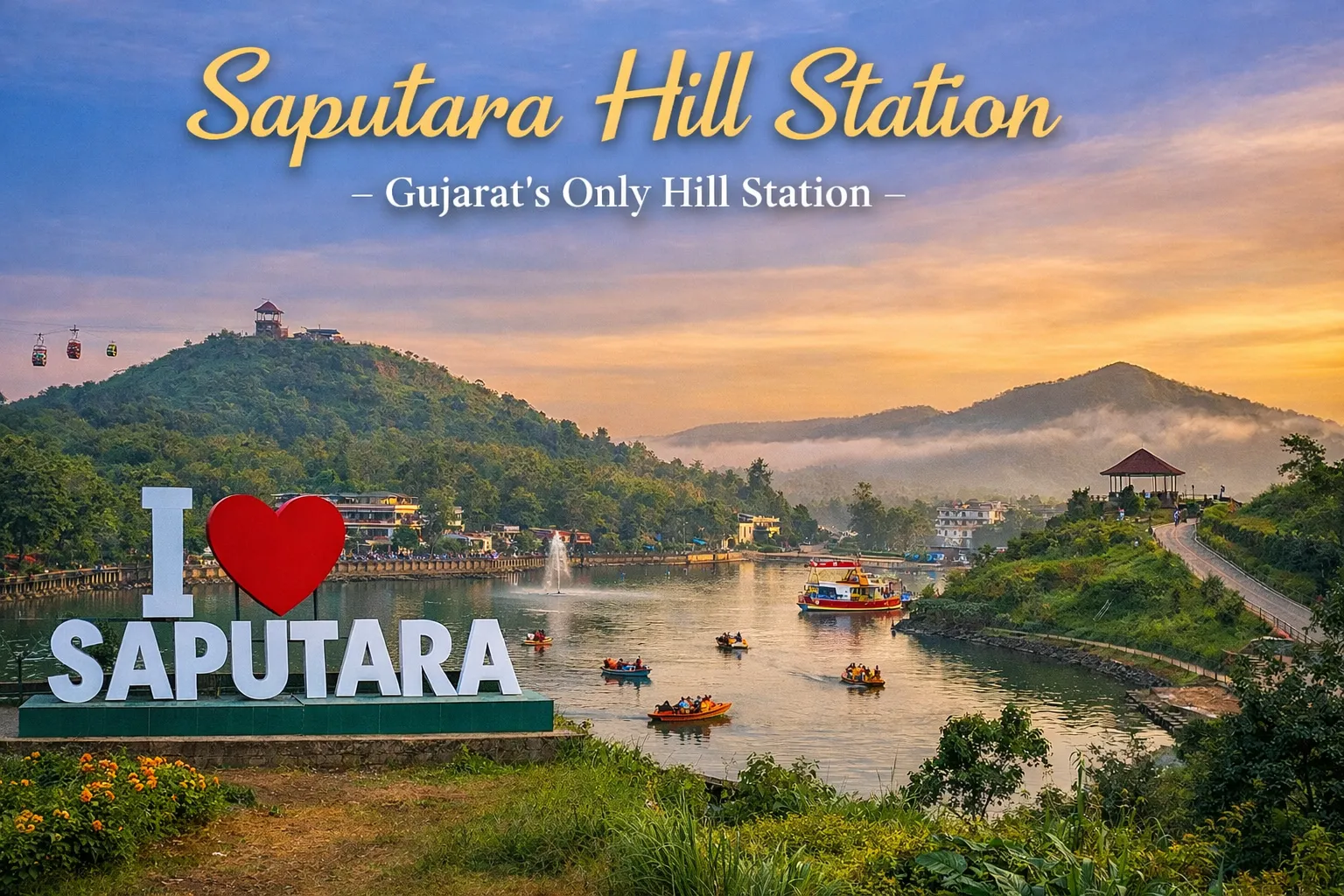
Saputara – Gujarat’s Only Hill Station
sits at around 1,000 meters above sea level in Dang district, near the Maharashtra border. It is the most popular tourist destination in southern Gujarat.
Saputara means “Abode of Serpents,” derived from local tribal beliefs.
Top Tourist Attractions in Saputara
1. Saputara Lake
Located at the center of town, the lake offers boating facilities including paddle boats and rowboats.
Timing: Morning to evening
Ideal For: Families, couples, photography
2. Sunset Point
Sunset Point offers breathtaking valley views. During evening hours, the sky turns golden-orange, making it a must-visit spot.
Tip: Reach before sunset for best view
3. Sunrise Point
For early risers, Sunrise Point offers mist-covered hills and fresh air.
4. Artist Village
A cultural hub showcasing tribal art, handicrafts, and local traditions. Visitors can purchase souvenirs and observe artisans at work.
5. Step Garden
A landscaped garden with step-style structure and flower beds.
6. Gira Waterfalls
Located around 50 km from Saputara, Gira Falls becomes magnificent during monsoon.
Complete Travel Routes
How to Reach Tapi & Dang
By Air
Nearest major airport:
From Surat:
- Saputara: ~160 km
- Ahwa (Dang ): ~140 km
Taxi services available from airport.
By Train
Nearest railway station:
Other major station:
From Surat, taxis and buses operate to Saputara.
By Road
Well-connected highways from:
- Surat
- Vadodara
- Mumbai
- Nashik
Route from Surat to Saputara: Surat → Vyara → Songadh → Ahwa → Saputara
Approximate travel time: 4–5 hours by car.
Best Hotels in Saputara
Saputara offers budget, mid-range, and premium hotels.
1. Aakar Lords Inn
Comfortable mid-range hotel with lake proximity.
Facilities:
- AC rooms
- Restaurant
- Family rooms
- Parking
2. Hotel Anando
Popular among tourists, good hill views.
3. Savshanti Lake Resort
Premium stay option overlooking Saputara Lake.
Budget Options
- Local guesthouses
- Forest rest houses
- Government tourism lodges
Dinner & Food Guide
Saputara and Dang primarily offer vegetarian food with Gujarati influence.
Must-Try Dishes
- Gujarati Thali
- Undhiyu
- Thepla
- Dal Dhokli
- Bhakri
- Tribal bamboo chicken (in select local areas)
Popular Dining Places
Most hotels have in-house restaurants. Lake area also has small eateries.
Dinner Budget:
- Budget meal: ₹150–250 (1 To 3 USD)
- Full Gujarati thali: ₹250–400 (2 To 5 Usd)
- Hotel dinner: ₹500–800 per person (5 To 10 Usd)
3-Day Suggested Itinerary
Day 1 – Arrival & Local Sightseeing
- Check-in hotel
- Saputara Lake boating
- Visit Artist Village
- Sunset Point
- Dinner at hotel
Day 2 – Nature & Adventure
- Sunrise Point
- Step Garden
- Ropeway ride (seasonal availability)
- Visit Gira Waterfalls
- Evening local market shopping
Day 3 – Dang Exploration
- Drive to Ahwa
- Explore forest routes
- Visit tribal villages
- Return to Surat
Best Time to Visit
Monsoon (July–September)
- Lush greenery
- Waterfalls in full flow
- Cool weather
Winter (October–February)
- Pleasant climate
- Ideal for family travel
Summer is mild compared to rest of Gujarat.
Adventure Activities
- Trekking
- Ropeway ride
- Boating
- Nature photography
- Forest exploration
Safety & Travel Tips
- Carry rain gear during monsoon
- Wear comfortable shoes
- Keep fuel tank full (limited pumps in hills)
- Book hotels in advance during peak season
- Respect tribal communities
Why Visit Tapi & Dang?
Unlike crowded tourist destinations, Tapi and Dang offer:
- Peaceful environment
- Affordable travel
- Fresh air and greenery
- Cultural experience
- Hill station escape within Gujarat
Saputara especially becomes a romantic and family-friendly destination.
Economic & Tourism Growth
Tourism in Dang and Saputara has improved infrastructure:
- Better roads
- New hotels
- Tourism promotion campaigns
- Eco-tourism initiatives
The government promotes sustainable tourism to preserve forests.
Conclusion
The districts of Tapi and Dang, along with the hill station of Saputara, represent Gujarat’s hidden green paradise. From scenic dams and waterfalls to cool hill landscapes and tribal culture, this region offers a complete nature experience.
Whether you are planning a family holiday, a romantic getaway, or an adventure trip, southern Gujarat provides an affordable and refreshing destination.
With proper planning, hotel booking, and travel route knowledge, your journey to Saputara and Dang can become one of the most memorable experiences in Gujarat.
Frequently Asked Questions (FAQ)
1. Where is Saputara located?
is located in the Dang district of southern Gujarat, near the Maharashtra border. It is Gujarat’s only official hill station.
2. What is the best time to visit Saputara and Dang?
The best time to visit is during Monsoon (July–September) for waterfalls and greenery, and Winter (October–February) for pleasant weather and sightseeing.
3. How can I reach Saputara from Surat?
You can travel by road from Surat via Vyara and Ahwa. The nearest airport is , which is about 160 km from Saputara.
4. How many days are enough to explore Tapi, Dang, and Saputara?
A 3 to 4-day trip is ideal to explore major attractions including Saputara Lake, Sunset Point, Gira Waterfalls, and nearby forest areas.
5. Are there good hotels available in Saputara?
Yes, Saputara offers budget and premium hotels such as Aakar Lords Inn and Savshanti Lake Resort, along with several guesthouses and resorts.
6. What are the top tourist attractions in Saputara?
Major attractions include Saputara Lake, Sunset Point, Sunrise Point, Step Garden, Ropeway ride, and nearby Gira Waterfalls.
7. Is Saputara suitable for family trips?
Yes, Saputara is family-friendly with safe sightseeing spots, boating facilities, gardens, and peaceful surroundings.
8. Are there adventure activities available in Dang district?
Yes, visitors can enjoy trekking, boating, ropeway rides, forest exploration, and photography in the Dang region.
9. What kind of food is available in Saputara?
Most restaurants serve vegetarian Gujarati food, including traditional thali, thepla, dal dhokli, and local snacks. Some places also offer limited non-vegetarian options.
10. Is Saputara expensive for tourists?
Saputara is relatively affordable compared to other Indian hill stations. Budget hotels, local eateries, and reasonable travel costs make it suitable for middle-class travelers.
Here is your Adsense-friendly Disclaimer in simple newspaper style.
You can paste this at the end of your article.
Disclaimer
The information provided in this article about Gujarat, Tapi, Dang, and Saputara tourist destinations is for general travel guidance and informational purposes only. Travel routes, hotel availability, ticket prices, weather conditions, and local regulations may change over time. Readers are advised to verify details from official tourism websites, hotel authorities, or local administration before planning their trip.
The author does not guarantee the accuracy, completeness, or reliability of the information provided. We are not responsible for any loss, inconvenience, injury, or damages resulting from travel decisions based on this content. Visitors should follow all local safety guidelines, environmental rules, and government advisories during their journey.
Hotel names, locations, and attractions mentioned are for informational reference only and do not represent paid promotion unless specifically stated. Always confirm bookings and pricing directly with the service provider.