
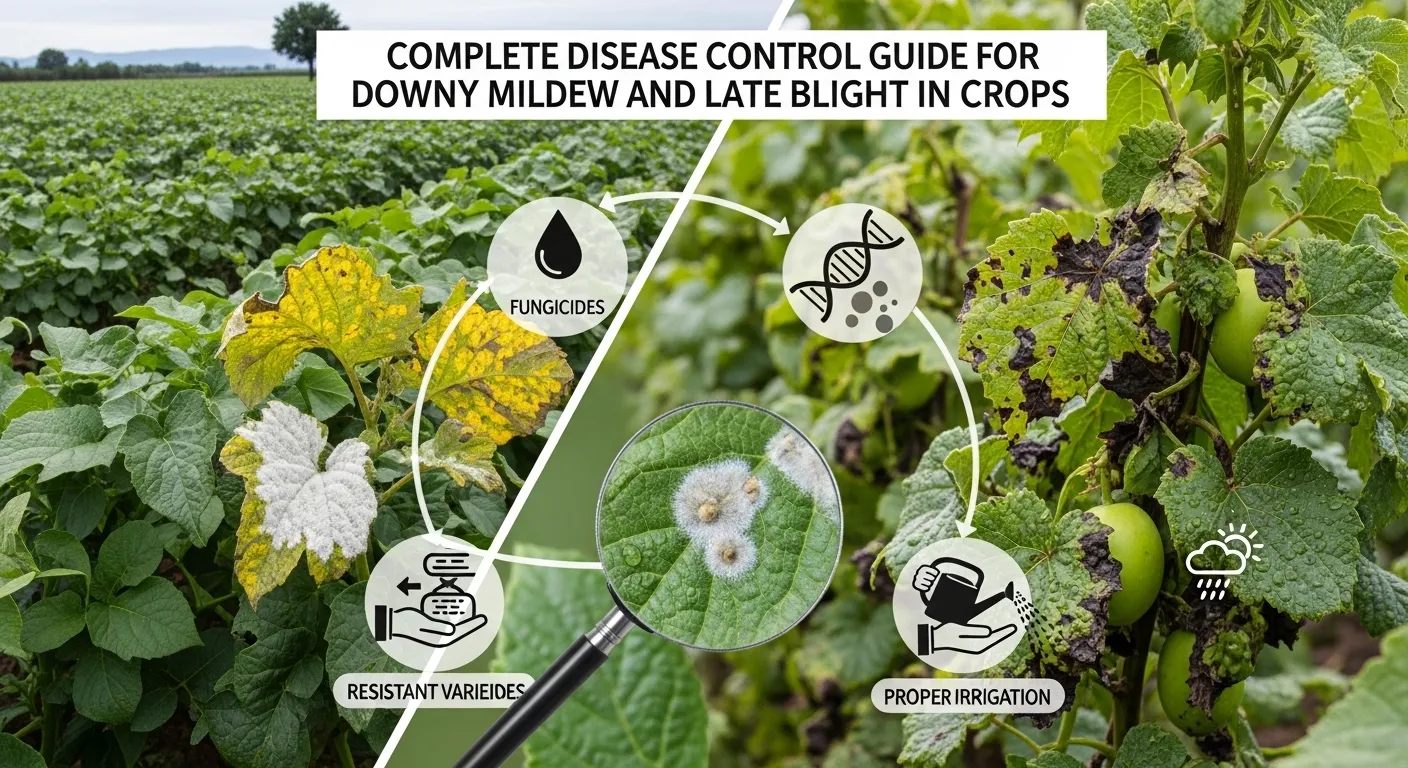
Complete Guide to Crop Fungal Diseases: Identification, Types & Best Fungicide Solutions for Farmers
Farming is the backbone of food security, but one of the biggest hidden enemies of agriculture is fungal disease. Every year, millions of farmers suffer crop losses due to fungal infections because of late identification or incorrect fungicide use.
In this comprehensive guide, we will understand:
- What is fungus in crops?
- Types of fungal pathogens in agriculture
- How to identify fungal diseases in the field
- Best technical salts for different fungal infections
- Systemic vs contact fungicides
- Fungicide combinations
- Biofungicide solutions
- Proper spray techniques and resistance management
This scientific yet practical article will help you reduce crop losses and improve productivity.
What is Fungus in Agriculture?
Fungus is a parasitic organism that lacks chlorophyll and cannot prepare its own food. It survives by feeding on living crop plants.
Fungal growth mainly depends on:
- Humidity above 70%
- Temperature between 20°C to 30°C
Under these conditions, fungal spores multiply rapidly and infect crops.
Major Classification of Crop Fungi
Understanding fungal classification helps in selecting the right fungicide.
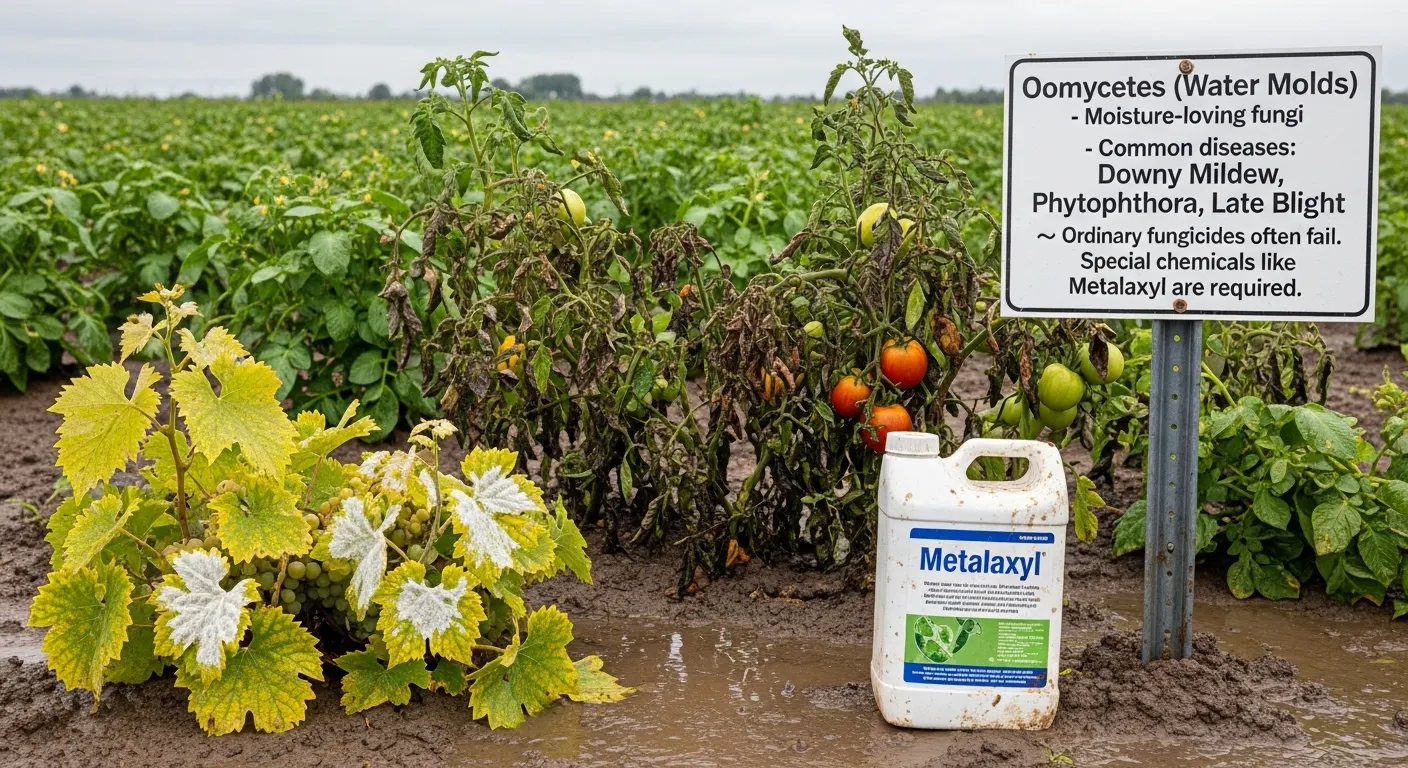
1. Oomycetes (Water Molds)
These are moisture-loving fungi.
Common diseases:
- Downy Mildew
- Phytophthora
- Late Blight
⚠ Ordinary fungicides often fail. Special chemicals like Metalaxyl are required.
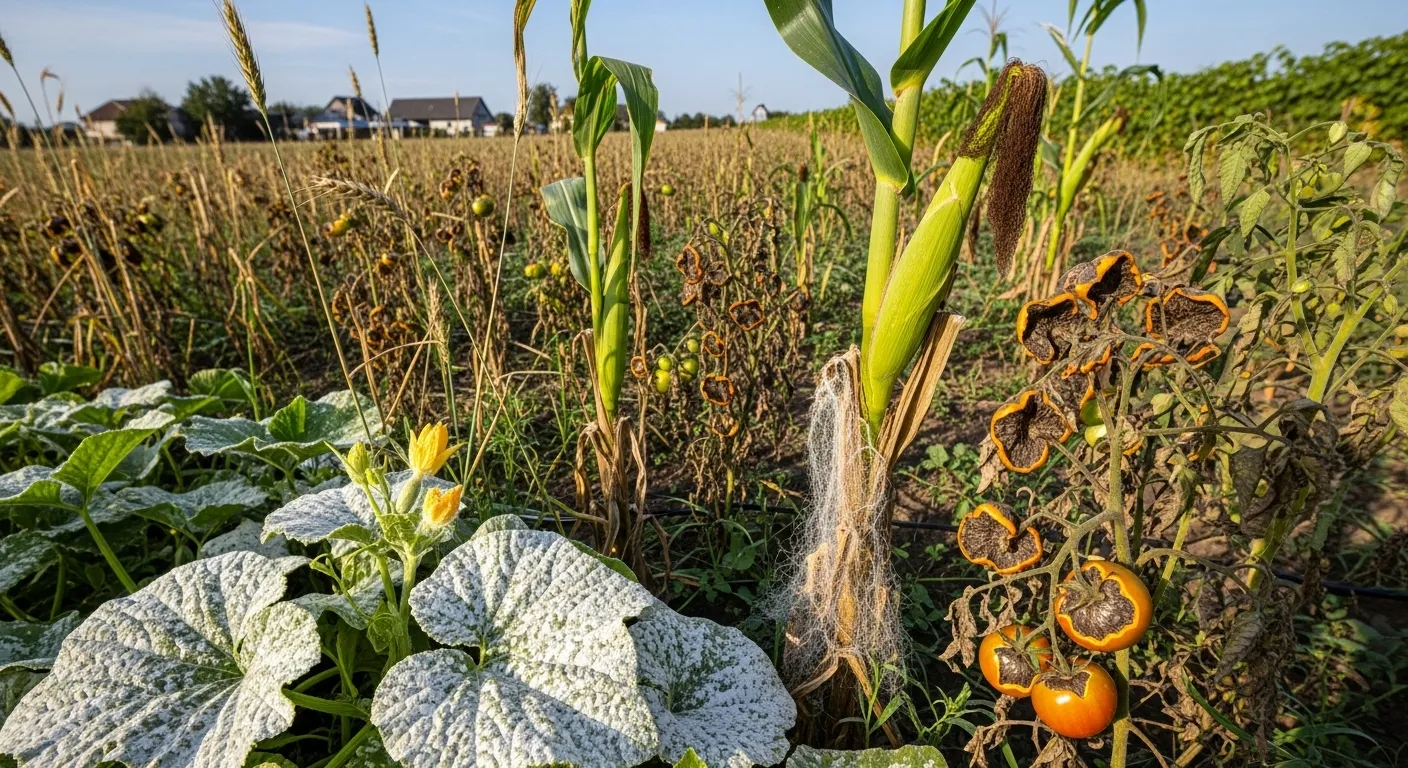
2. Ascomycetes
Largest fungal group.
Diseases include:
- Powdery Mildew
- Anthracnose
- Stem Rot
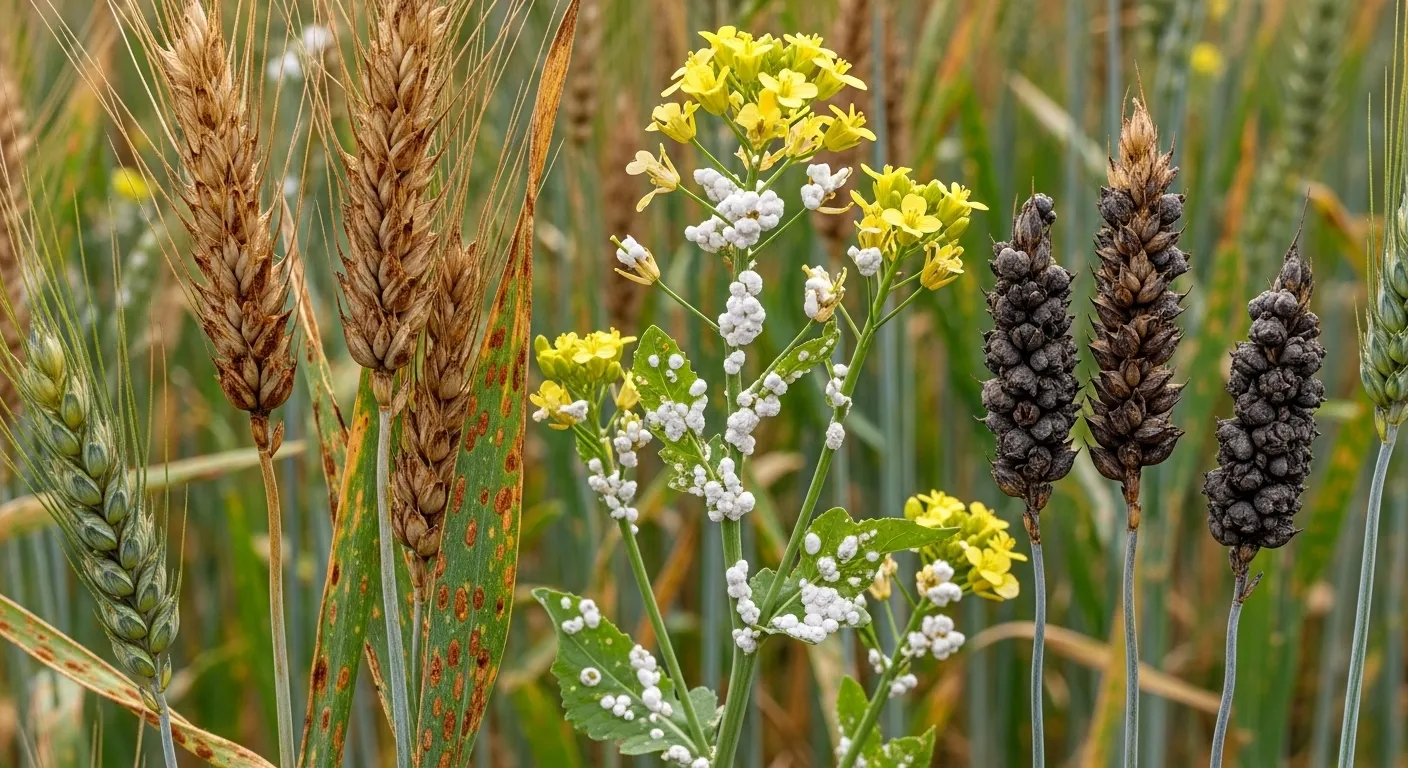
3. Basidiomycetes
Responsible for:
- Rust diseases
- Smut diseases
Common in wheat and mustard.
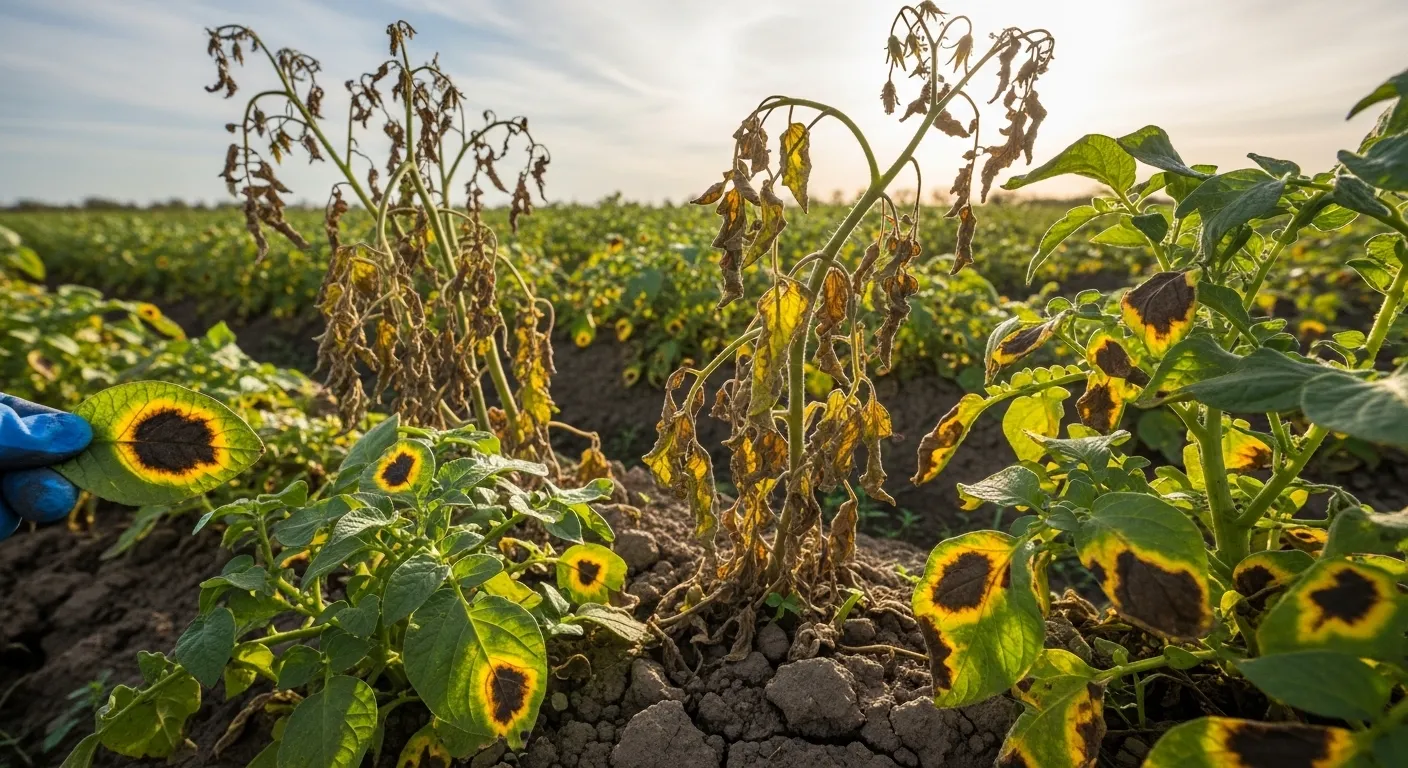
4. Deuteromycetes (Imperfect Fungi)
Includes:
- Early Blight
- Wilt diseases
How to Identify Fungal Diseases in Crops
Correct identification is 70% of treatment success.
1. Blight (Early & Late)
Early Blight:
- Target-like circular spots
Late Blight:
- Rapid leaf burning
- Foul smell in field
2. Mildew
Powdery Mildew:
- White powder on leaves
Downy Mildew:
- Yellow spots on upper surface
- Cotton-like growth underneath
3. Rust
- Red, yellow or brown powdery pustules
- Common in wheat, peas, garlic
4. Wilt (Fusarium Wilt)
- Sudden plant drying
- Brown or black vascular tissues inside stem
5. Anthracnose
- Sunken black lesions on fruits
- Common in chili and tomato
6. Smut
- Black powder replacing grains
7. Damping Off
- Seedlings rot at soil level
- Nursery stage problem
Crop-Specific Major Fungal Diseases & Treatment
Rice Crop Fungal Diseases
Major threats:
1. Blast Disease
- Eye-shaped lesions
- Use Tricyclazole 75% WP
2. Sheath Blight
- Snake-skin pattern on stem
- Use Hexaconazole or Validamycin
3. False Smut
- Yellow ball formation
- Spray Copper Oxychloride or Propiconazole
Wheat Fungal Diseases
Rust (Yellow, Brown, Black)
- Yellow stripes on leaves
- Spray Propiconazole 25% EC or Tebuconazole
Karnal Bunt
- Seed treatment is essential
Potato & Tomato (Late Blight)
- Cloudy weather risk
- Preventive spray: Mancozeb 75% WP
- Curative spray: Cymoxanil + Mancozeb or Dimethomorph
Chili Diseases
Dieback & Fruit Rot
- Branch drying from top
- Use Azoxystrobin + Difenoconazole
Pulses (Chickpea & Pigeon Pea)
Wilt
- Best control: Seed treatment
- Treat seeds with Trichoderma viride or Carbendazim
Types of Fungicides in Agriculture
Understanding fungicide mode of action is critical for resistance management.
1. Contact Fungicides
Work only on surface.
Create protective shield.
Examples:
- Mancozeb
- Copper Oxychloride
- Sulphur
- Chlorothalonil
✔ Used before disease appears
✔ Effective for 7–10 days
2. Systemic Fungicides
Absorbed by plant tissues.
Move inside plant system.
Major groups:
Triazole Group
- Tebuconazole
- Propiconazole
- Hexaconazole
Best for rust & leaf spot.
Strobilurin Group
- Azoxystrobin
- Pyraclostrobin
- Trifloxystrobin
✔ Disease control + yield booster
✔ Known as modern fungicide technology
Benzimidazole Group
- Carbendazim
Good for seed treatment & root diseases.
3. Translaminar Fungicides
- Move from upper leaf surface to lower side
- Ideal for hidden infections
Best Fungicide Combinations (Super Combinations)
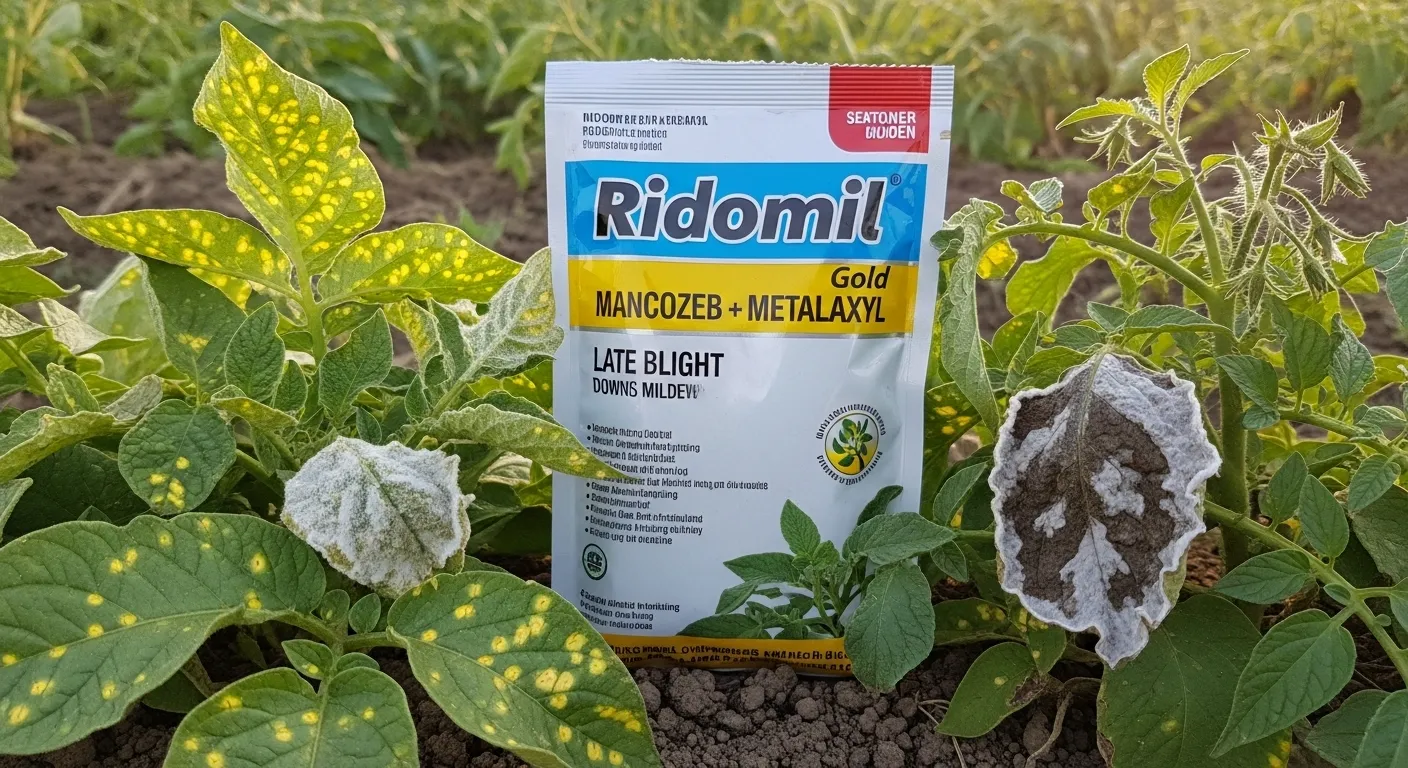
1. Mancozeb + Metalaxyl
(Commercial example: Ridomil Gold)
Best for:
- Downy Mildew
- Late Blight
2. Azoxystrobin + Difenoconazole
(Commercial example: Amistar Top)
Best for vegetables
Broad-spectrum control
3. Tebuconazole + Trifloxystrobin
(Commercial example: Nativo)
Effective in rice & wheat
4. Fluopyram + Tebuconazole
(Commercial example: Luna Experience)
New generation chemistry
Controls resistant fungi
Biofungicide Solutions (Organic Farming)
Chemical-free alternatives:
1. Trichoderma viride
- Friendly fungus
- Suppresses soil-borne pathogens
- Apply 2 kg per acre mixed in 100 kg FYM
Reduces wilt & root rot by up to 70%.
2. Pseudomonas fluorescens
- Bacterial bio-agent
- Controls fungal & bacterial diseases
- Used for seed treatment & spraying
Correct Spray Technique for Maximum Results
1. Water pH
Ideal pH: 6 to 7
High pH reduces fungicide effectiveness.
2. Use of Sticker
- Silicon-based spreader recommended
- Improves coverage & rainfastness
3. Nozzle Selection
Use hollow cone nozzle
Ensures fine droplets & full coverage.
4. Resistance Management
Never use same technical repeatedly.
Example:
- First spray: Tebuconazole
- Next spray: Azoxystrobin
Rotate mode of action.
Preventive Cultural Practices
- Crop rotation
- Field sanitation
- Remove infected residues
- Proper drainage
- Balanced fertilization
Prevention is always cheaper than cure.
Conclusion
Crop fungal diseases are one of the biggest threats in modern agriculture. But with proper identification, correct technical salt selection, resistance management, and scientific spray techniques, farmers can significantly reduce crop losses.
The key points to remember:
✔Identify disease correctly
✔ Use right fungicide group
✔ Rotate chemicals
✔ Maintain spray discipline
✔ Consider biofungicides
By following these scientifically proven methods, farmers can reduce input cost and increase yield sustainably.
FAQs – Crop Fungal Disease Management
Q1. What is the best fungicide for late blight?
Mancozeb + Metalaxyl or Cymoxanil combinations work best.
Q2. How do I identify rust disease in wheat?
Look for yellow or brown powdery stripes on leaves.
Q3. Can fungal diseases be controlled without chemicals?
Yes, using Trichoderma and Pseudomonas biofungicides.
Q4. Why does fungicide stop working after repeated use?
Because fungi develop resistance.
Q5. What is the ideal time to spray fungicide?
Early morning or late evening under dry weather conditions.
Final Words
Scientific knowledge is the strongest w deeapon against crop fungal diseases. Monitor your fields regularly and take timely action.
Healthy crops mean higher profits.
Disclaimer
The information provided in this article is for educational and informational purposes only. Fungicide names, technical salts, and commercial products mentioned (such as Mancozeb + Metalaxyl formulations) are examples based on commonly available agricultural products.
Farmers are strongly advised to:
- Always read and follow the label instructions provided by the manufacturer.
- Use recommended dosage and safety precautions.
- Consult a local agricultural expert or extension officer before application.
- Wear proper protective equipment (PPE) during spraying.
- Follow integrated disease management practices for sustainable farming.
Improper use of chemicals may cause crop damage, resistance development, environmental harm, or health risks. The author is not responsible for any loss or damage resulting from misuse of the information provided.
For best results, apply fungicides at the correct growth stage and weather conditions.
🌾 Safe Farming, Smart Farming.